


Confidence isn’t something you suddenly find. It’s built through repeated evidence that you’re capable of doing difficult things.
Exercise – in particular, strength training – is one of the most effective ways to create that evidence.
Beyond improving your physical health, regular exercise can strengthen self-confidence, improve mood, increase resilience, and change the way you see yourself. Whether that’s lifting heavier weights than you thought possible, building a healthier body, or simply proving to yourself that you can stay consistent, the effects often extend far beyond the gym.
If low self-esteem is affecting how you feel, the decisions you make, or your willingness to challenge yourself, here are seven evidence-based reasons why exercise can help build greater confidence from the inside out.

Alex loses 20kg in 25 weeks achieving newfound confidence ahead of her holiday.
How does self-esteem affect us?
Self-esteem influences far more than how you feel about your appearance. It shapes how you see your abilities, how you respond to challenges, and whether you believe you’re actually capable of succeeding.
People with healthy self-esteem are generally more willing to take on new opportunities, speak up, pursue ambitious goals and recover from setbacks. Low self-esteem, by contrast, can lead to self-doubt, avoidance and a reluctance to step outside your comfort zone. While low self-esteem isn’t classified as a mental health condition, it can have a significant impact on decision-making, relationships and your overall quality of life [1].
For many people, body image plays an important role in that confidence.
When you don’t feel comfortable in your own body, it’s common to withdraw from social situations, avoid activities you once enjoyed, or lose confidence in both professional and personal settings. Over time, those behaviours can reinforce negative perceptions of yourself.
Research suggests this is a widespread issue. A global survey of more than 10,000 women found that 85% of women and 79% of girls had avoided important life activities, such as social events, sport or joining clubs, because they didn’t feel confident about the way they looked. The same report found that 87% of women also changed their eating habits or engaged in unhealthy behaviours in response to appearance-related pressures [2].
Understanding where those pressures come from is the first step towards challenging them.
Why modern life can undermine self-esteem
1. Social media pressures can lower self-esteem
The more you use social media, the more likely you are to be unsatisfied and unhappy. And we’re using it more than ever before.
Social media gives us unprecedented access to other people’s lives. The challenge is that we’re rarely comparing ourselves with reality. More often, we’re comparing ourselves with carefully selected highlights, edited images, and moments designed to present the best possible version of someone else’s life.
Research has consistently linked greater social media use with lower self-esteem and reduced wellbeing, particularly when it leads to appearance-based comparisons [3].
Other studies have also shown that increased use of social media directly correlates with declines in life satisfaction levels and social skills [4].
While social media isn’t the sole cause of low confidence, it can reinforce negative thoughts and make it harder to appreciate your own progress or abilities.
2. Fear of missing out can affect self-esteem
Fear of missing out, or FOMO, describes the feeling that other people are living more fulfilling or rewarding lives than your own.
Social media can amplify these feelings by creating the impression that everyone else is happier, more successful or more confident. Studies have found that higher levels of FOMO are associated with lower life satisfaction and poorer mood, with social media use playing an important role in that relationship [4,5].
3. Increasingly unattainable beauty standards can lower self-esteem
From advertising and television to social media feeds, we’re exposed to thousands of images every week that promote increasingly narrow ideas of what an attractive body should look like.
For many women, this creates constant pressure to achieve standards that are often heavily edited, AI-generated, or simply unattainable. A global study found that around two-thirds of women and girls feel pressure from media and advertising to meet unrealistic beauty ideals [2].
Recognising these external influences matters because confidence shouldn’t be built on chasing impossible standards. It should come from improving your own health, strength and capability, and measuring progress against where you started rather than against someone else’s highlight reel.

New mum Shilpa reclaims pre-baby body and finds new confidence.
Training your way to greater self-confidence
Your confidence rarely changes overnight. More often, it develops through small, consistent wins that prove you’re capable of more than you thought.
Exercise is one of the most effective ways to create those wins on a regular basis.
Every workout you complete, every PB you hit, and every healthy new habit you build stands as evidence to yourself that you’re making progress.
Over time, those improvements change your physical health – but more importantly, they change how you think about yourself.
Research shows that regular exercise can improve mood, reduce symptoms of anxiety and depression, strengthen self-efficacy, and improve body image and overall quality of life [6–9]. Together, these changes can have a meaningful impact on self-esteem.
Here are seven ways exercise helps build confidence.
1. Exercise is one of the most potent anti-depressants to improve self-esteem
Exercise is one of the most consistently recommended lifestyle interventions for supporting mental wellbeing. Regular physical activity has been shown to reduce symptoms of anxiety and depression while improving mood and emotional resilience [6].
The effects are influenced by a combination of biological changes, including the release of endorphins and other neurotransmitters, alongside the psychological benefits of routine, achievement and improved physical health.
Feeling mentally stronger often translates into greater confidence in everyday life.
2. Exercise is a powerful brain booster to improve self-confidence
The benefits of exercise extend beyond physical health.
Regular exercise has been found to improve markers of cognitive function as well as improvements in quality-of-life scores [10].
Consistent physical activity has also been associated with improvements in attention, memory and executive function, while many people also report feeling more focused, productive and mentally resilient [7].
Whether you’re presenting in a meeting, making important decisions or simply tackling a busy day, feeling physically capable often helps you approach challenges with greater confidence.
3. Look better, feel better and improve your self-confidence
Confidence shouldn’t depend solely on the way you look.
However, feeling healthier, stronger and more comfortable in your own body can have a significant impact on self-esteem.
Resistance training, combined with an appropriate nutrition plan, is one of the most effective ways to improve body composition, preserve lean muscle and build a healthier physique. For many people, those physical changes become visible reminders of the effort they’ve invested and the progress they’ve made.
4. Feel stronger, inside and out, will boost your self-esteem
Strength training doesn’t just build muscle. It builds competence.
Learning new skills, lifting heavier weights and achieving goals you once thought were beyond you reinforces the belief that you’re capable of overcoming challenges.
Research shows regular exercise can improve self-efficacy, body awareness and self-esteem, helping people develop greater confidence in both physical and non-physical aspects of their lives [8].
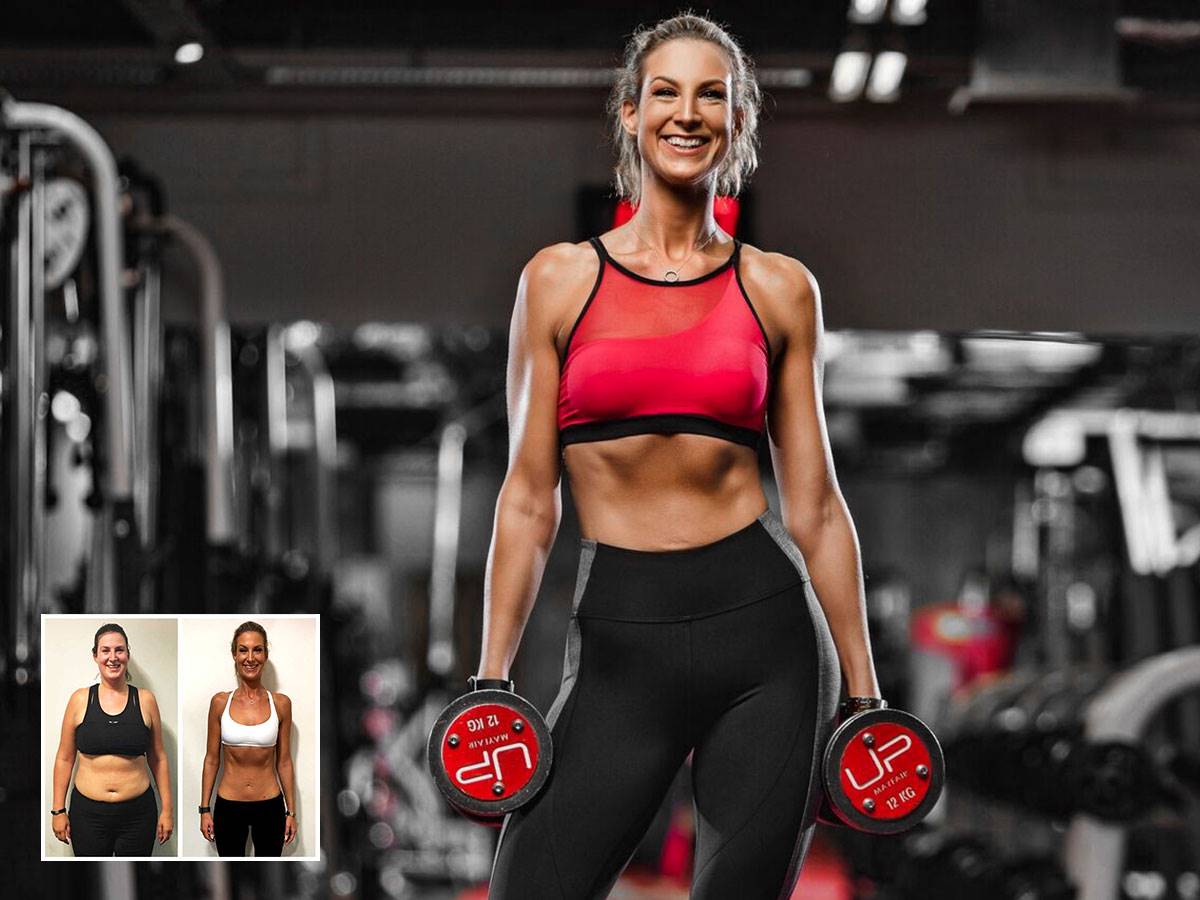
Zrinka’s 53kg fat loss: From feeling ‘worthless’ to body confident and beautiful.
5. Set and achieve goals to improve your self-confidence
One of the most effective ways to build confidence is to prove to yourself that you can follow through on a commitment.
Exercise provides regular opportunities to do exactly that. Whether it’s completing your first month of consistent training, lifting a heavier weight or improving your fitness, each milestone reinforces your belief that you’re capable of making progress.
Research into goal setting has consistently shown that setting and achieving meaningful goals improves self-efficacy, motivation and confidence [10]. Those gains often extend well beyond the gym into other areas of life, including work, relationships and personal development.
6. Get out what you put in – eat better for self-esteem
Exercise and nutrition work together hand in hand.
Regular training often encourages healthier food choices, while a balanced diet provides the energy and nutrients needed to recover, perform and feel your best.
A diet built around high-quality protein, fruit, vegetables, wholegrains and healthy fats supports stable energy levels, better training performance and overall health. While no single food will transform your confidence, consistently fuelling your body well can help you feel more energised, capable and in control.
7. Invest in a personal trainer to boost your self-confidence
Starting a fitness journey can feel overwhelming, particularly if you’ve struggled to achieve lasting results in the past.
An experienced personal trainer does more than write workouts. They provide structure, accountability and expert guidance, helping you focus on the decisions that matter most while adapting your programme as you progress.
At Ultimate Performance, every program is built around your goals, your data and your lifestyle. Your trainer works with you to develop sustainable habits, track measurable progress and help you achieve results with confidence.
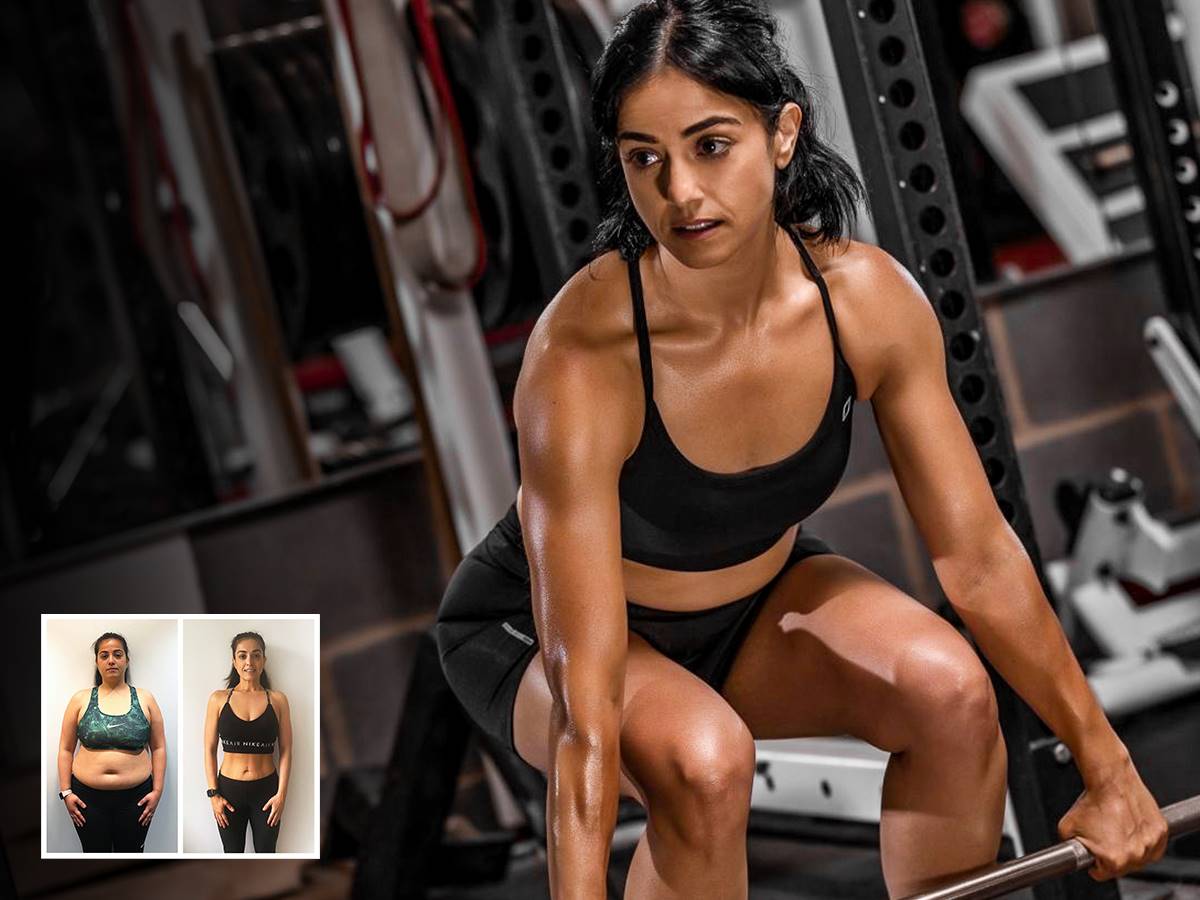
The take-home
Low self-esteem can affect far more than how you feel about your appearance. It can influence your willingness to take opportunities, challenge yourself and engage fully in life.
Exercise isn’t a cure for low confidence, but it is one of the most effective evidence-based ways to improve how you feel physically and mentally. As you become stronger, healthier and more consistent, you’re not just changing your body. You’re building trust in your own ability to make progress.
That confidence comes from action, not from motivation.
If you’re ready to improve your health, build lasting confidence and achieve measurable results, working with an experienced coach like our team at Ultimate Performance can provide the structure, accountability and expertise to help you get there.

