

Nearly all of us have heard of proteins, fats and carbohydrates. However, there remains a plethora of outdated, unhelpful information that is bound to cause confusion. We lay out the key points to bring you all the facts you need to know about macronutrient splits.
Key takeaways
- Protein must always take priority in our nutrition targets over fats and carbohydrates, due to its important effects on hunger suppression and building muscle.
- The U.P. app sets a protein goal based on your estimated lean body mass.
- Resistance training means we need more protein to build and repair muscle tissue.
- As long as you hit a calorie and protein goal, the remaining split of fats and carbohydrates is not that important.
- The U.P. app splits any remaining calories between fats and carbs equally, as we know from experience that this helps maximise adherence and performance.
How does the app set my protein target?
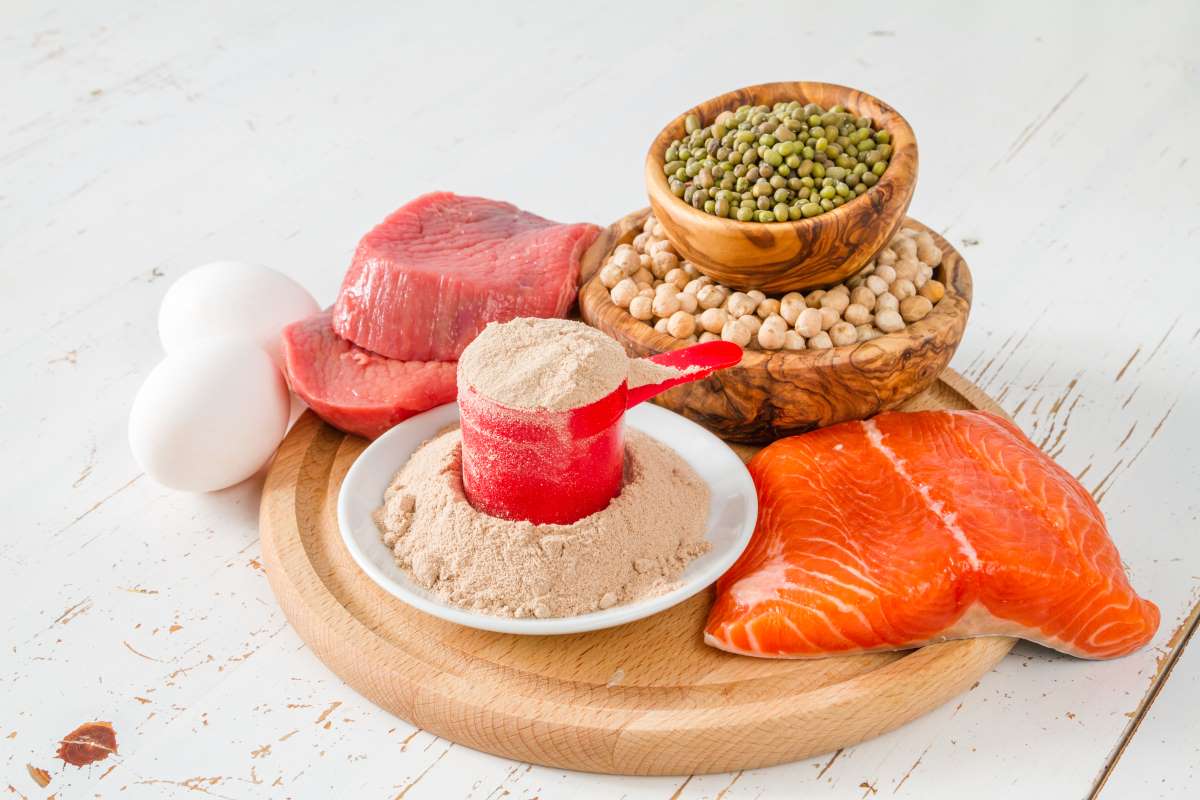
We set protein intake first, as it is arguably the most important macronutrient for body composition, due to its ability to suppress hunger and build muscle.
Protein intake recommendations are set based on lean body mass, rather than total bodyweight. This makes sense, given that body fat does not require large amounts of protein.
The recommended minimum protein intake for sedentary adults to prevent deficiency and negative health outcomes is 0.8 grams per kilogram of total body weight. Most experts agree that this recommendation is outdated, and that more protein is necessary under certain conditions:
When resistance training several times a week to help repair and replace damaged muscle.
When following a calorie-restricted diet, your body becomes more reliant on protein as a source of energy. This reduces the amount available for muscle growth and repair, and increases the risk that your body will start to break down existing muscle mass for use as fuel.
Researchers have so far failed to find any negative health outcomes for protein intakes of up to three grams per kilogram of total bodyweight, in healthy individuals with no kidney-related issues – that’s a lot of chicken! However, it is unlikely that your muscles have a functional demand for this much protein, and any extra benefit would be related to hunger-suppression or personal preference.

What about fat and carbohydrate targets?
Once we have allocated a protein target, the app will allocate any remaining calories to fats and carbohydrates. Remember that the main thing we need to lose weight is a calorie deficit. Once we have allocated enough calories to protein to retain lean body mass, how we split the remaining calories makes little difference.
The app splits these remaining calories equally. We have found, through many years of working with clients all over the world, that this strikes the right balance between optimal performance, while not being overly restrictive.

