

You may have heard that cardio is the only way to burn body fat. Or, you might have heard that cardio “kills your gains”, but which is it? Read on to learn everything you need when it comes to cardio.
Key takeaways
- The only requirement for fat loss is an energy deficit; it doesn’t matter how we do this.
- Formal cardio refers to structured workouts, whereas informal cardio can be anything from walking, to playing with the kids or gardening.
- We use effort ratings to assess what kind of cardio is optimal for each goal, as well as duration and frequency.
- The more “endurance-focused” the cardio, the greater its interference on training performance and recovery.
- Training recovery and performance should always take priority over cardio.
- Keep cardio sessions away from resistance training sessions wherever possible.
In short, no! Other than resistance training, there is no one form of exercise that you absolutely must do to achieve a great physique. However, to understand the role of cardio in a transformation, we need to learn a little bit more about what it does.
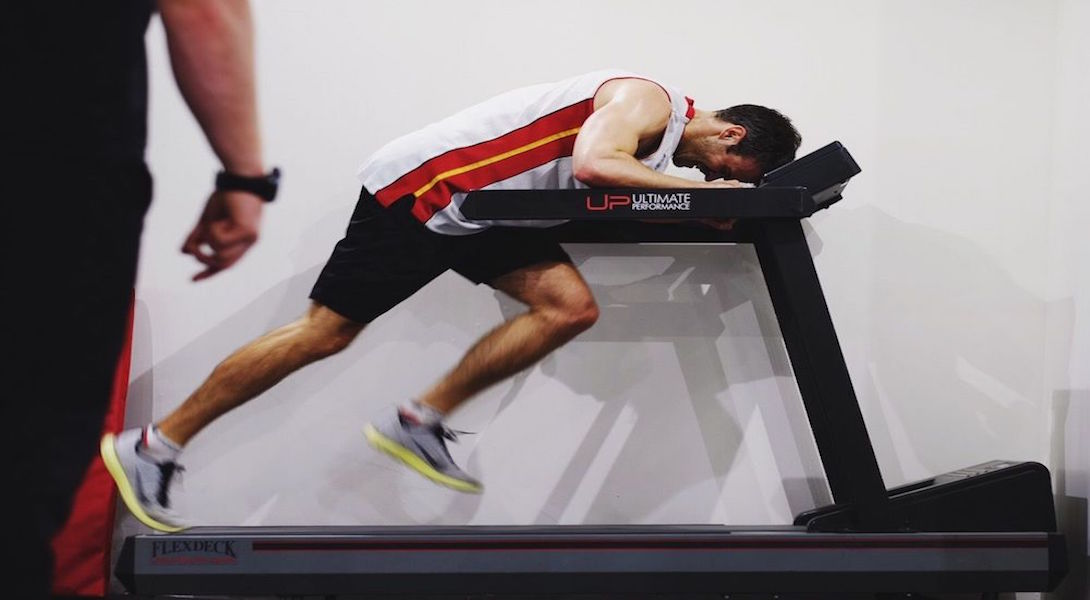
What is “cardio”?
Formal cardio refers to structured workouts performed as part of your training program with a specific goal, for example:
- Develop cardiovascular fitness.
- Offset an otherwise sedentary lifestyle.
- Burn calories.
There are three main types of formal cardio that differ according to their training intensity (how hard you work), which you can measure using the following rate of perceived exertion (RPE) scale.
Always prioritise resistance training
If you can only get to the gym three times a week and have no other opportunities to train, then resistance training should always take priority over formal cardio.
You can develop your fitness, lose body fat and avoid a sedentary lifestyle by sticking to your diet and keeping active outside of the gym. In contrast, lifting weights is the only way to build muscle.
However, there are several physical and practical benefits associated with formal cardio:
MISS and HIIT both develop your work capacity which can have a beneficial impact on your resistance training.
Formal cardio develops mental toughness.
If you are short on time and aren’t able to do a lot of steps, performing a MISS or HIIT workout can boost your daily physical activity levels in a time-efficient manner.
Many of our clients enjoy performing formal cardio, particularly the group element of fitness classes.
The low skill component allows beginner trainees to push themselves harder than they may be able to while lifting weights.

LISS vs MISS vs HIIT
The intensity level of the different formal cardio options can have a significant impact on their compatibility with resistance training.
Low-Intensity Steady State (LISS)
Low-intensity activity (RPE 1-4) maintained for extended periods, e.g., incline treadmill walking for 30 minutes.
LISS is not intense enough to interfere with your recovery from or performance in resistance training workouts. The primary role of LISS in a training program is to burn additional calories. You can use LISS to help meet your daily step target, for example, walking on the treadmill for ten minutes before your resistance training workout – this is also a great mental warm-up!
Moderate-Intensity Steady State (MISS)
Moderate-intensity activity (RPE 5-6) maintained for extended periods, e.g., a five-kilometre run.
The main issue to be aware of with MISS is that your body adapts specifically to the types of training that you perform. However, resistance training and MISS place opposite and competing demands on your body.
Resistance training conditions your muscles to lift heavy weights explosively and for short durations, whereas MISS conditions your muscles to work at lower intensities for longer durations. This should not be a problem if you limit the amount of MISS performed. However, you can avoid the issue altogether by using HIIT instead.

High-Intensity Interval Training (HIIT)
Alternates short periods of high-intensity exercise (RPE 7-10) with less-intense recovery periods (RPE 1-4), e.g., alternating between sprinting and walking. Most group fitness classes, e.g., spinning and circuit training, tend to be versions of HIIT training.
The high-intensity nature of HIIT and time spent working versus resting is very similar to resistance training, which results in complementary rather than competing adaptations.
For example, sprinting flat out for 30 seconds and then resting for 90 seconds is comparable to lifting a heavy weight for ten reps, and then resting for an equivalent amount of time.
You have a limited recovery capacity
There is a limit to how much training you can recover from, and both MISS and HIIT add to the total amount of exercise-related stress placed on your body. Remember, any cardio you do takes place in the same week that you resistance train three to four times.
Formal cardio recommendations
If you train three to four times a week and meet your NEAT target, you do not need to include a formal cardio component in your training program.
Perform a maximum of two cardio workouts (MISS or HIIT) per week if you resistance train three times a week.
Perform a maximum of one cardio workout (MISS or HIIT) per week if you resistance train four times a week.
There is no limit for LISS cardio as this does not challenge your body enough to interfere with recovery or workout performance.
Always perform cardio after resistance training if doing both on the same day. However, the ideal time to complete cardio workouts is on a non-resistance training day.
If you want to learn more about cardio workouts, check out the Ultimate Performance Principles of Muscle Building Program Design book.

