


What are the best foods to help you transform your body?
The truth is you can’t out-train a bad diet – and what you eat every day will make or break your results.
Whether your goal is fat loss, muscle gain, or better health, the right foods make the process faster, easier, and far more sustainable.
At Ultimate Performance, we’ve helped thousands of clients achieve results they never thought possible.
Over time, one thing has become clear – the most effective transformation diets are built from simple, whole foods that keep you full, fuel performance, and support recovery.
In this guide, we reveal the 15 essential foods that support fat loss – explaining why they work, how to use them, and how to build them into your meals for long-term results.
What makes a food ‘fat-loss friendly’?
Not all calories are created equal when it comes to body composition. Fat-loss friendly foods tend to share a few key traits: they’re high in protein or fibre (for fullness), rich in nutrients, and relatively low in calorie density. This means they keep you satisfied on fewer calories – a huge win when you’re in a calorie deficit. For example, protein-rich foods can increase your metabolism and curb appetite, making dieting easier. High-fibre vegetables and complex carbs digest slowly, keeping your blood sugar more stable so you can avoid energy crashes.
Just as important, fat-loss-friendly foods are usually minimally processed and versatile. UP coaches often say we don’t do “boring chicken and broccoli” diets – it’s about flexibility and real-world strategies that you can stick to long term. In practice, that means choosing whole, natural foods (“eat from the land,” as our founder Nick Mitchell puts it) prepared in enjoyable ways. A grilled salmon with herbs, a spicy quinoa veggie bowl, or a blueberry protein smoothie can all be part of a fat-loss plan. The bottom line is this: if a food helps you maintain a calorie deficit and enjoy your meals, it’s friendly to fat loss.
The 15 best foods for fat loss
Now let’s look at the 15 essential foods and why they belong in your transformation diet. We’ve grouped them by macronutrient category – proteins, veggies, carbs, and fats – for a balanced approach. Each group brings unique benefits, and together they’ll cover all your nutritional bases.
Lean animal proteins
Protein is the most satiating macronutrient. Diets higher in protein help you feel fuller, reduce calorie intake, and preserve lean muscle when you’re in a calorie deficit [1]. Protein also has the highest thermic effect of food, meaning your body burns more calories digesting it compared to carbs or fats [2]. Eating adequate protein is essential for maintaining muscle mass, which keeps your metabolism higher and your physique leaner as you lose weight.
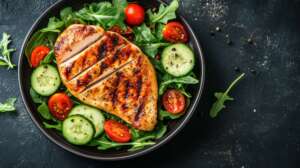
1. Chicken breast
Chicken breast is a staple in almost every fat-loss meal plan – and for good reason. It’s a lean white meat packed with protein and very little fat. A 100g serving of chicken breast has about 165 kcal with 31g of protein, virtually zero carbs, and only a few grams of fat. This high protein-to-calorie ratio means you get considerable nourishment for relatively few calories.
Why it’s beneficial
Chicken’s lean protein content helps you stay full and maintain muscle while in a calorie deficit.
This high ratio of protein to total calories makes chicken breast an ideal choice for fat loss. Diets higher in protein have a greater thermic effect — meaning your body burns more calories digesting them — and they help preserve lean muscle, which supports a healthy metabolism. Protein is also highly satiating, helping you feel fuller for longer and making it easier to stay consistent while in a calorie deficit.
Chicken is also rich in nutrients like B vitamins and selenium that support overall health. For example, it provides vitamin B3 and B5, which aid energy metabolism, and are essential for the conversion process of carbohydrates and fats into energy as well as increasing HDL or good cholesterol (4). While selenium (over 50% of the RDI per 100g), is an antioxidant mineral important for immune function and has a positive effect on inflammatory conditions [3,4].
How to consume it
Chicken breast is an extremely versatile meat and can be cooked in many different ways, but it’s best to stick to grilling and oven roasting to minimise the fat added during the cooking process.
You can toss grilled chicken into salads, wrap it in lettuce for low-carb tacos, or pair it with veggies and rice for a balanced dinner. Many U.P. clients meal-prep chicken in bulk – seasoning it with spices or low-calorie marinades – so they always have a high-protein option ready.
The recommended intake will vary for each individual depending on multiple factors, but a rough recommendation would be to shoot for 2g of protein per kg of bodyweight and have a different protein source each meal.
For an 80kg person, this would mean 160g of protein daily or 32g in each one of 5 meals, equivalent to approximately 150g of (uncooked) chicken breast.
2. Salmon
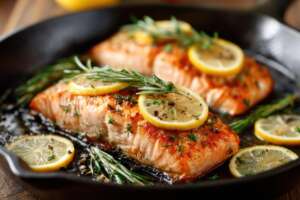
Salmon is one of the most powerful foods you can include in a fat-loss diet. A 100g serving of Atlantic salmon provides about 208 kcal, 20g of protein, 0g carbohydrate, and 13g of mostly unsaturated fat. Unlike ultra-lean proteins, salmon delivers both high-quality protein and omega-3 fatty acids – a unique combination that supports muscle retention, recovery, and overall health.
Why it’s beneficial
Protein from salmon helps maintain lean tissue during a calorie deficit, while its omega-3 fatty acids (EPA and DHA) provide anti-inflammatory benefits that improve insulin sensitivity and metabolic health [5].
These Omega-3s have been noted to improve muscle protein system (needed for building muscle mass), and several studies show that when consumed alongside resistance training, it can enhance fat loss and preserve muscle mass [6]. Salmon is also rich in potassium, which regulates blood pressure, helps support muscle contraction, and reduces water retention [7].
When your body retains excessive fluids, you can look bloated and puffy, especially at lower body fat percentages, so adequate potassium levels can make a difference to how your body looks. Another advantage is its high content of astaxanthin, a potent antioxidant carotenoid. Astaxanthin has been shown to reduce oxidative stress, limit exercise-induced muscle damage, and may even enhance fat oxidation (burning fat for fuel) during training [8][9].
How to consume it
Include salmon 2–3 times per week in place of leaner meats for variety. A portion of 100–150g delivers over 2g of omega-3s – enough to meet weekly targets with just two servings. Salmon is versatile: enjoy it smoked with eggs at breakfast, mixed from a tin into a salad, or baked with vegetables at dinner. We always recommend to U.P. clients to choose grilled, baked, or poached cooking methods to keep excess calories from cooking oils in check.
3. Lean grass-fed beef
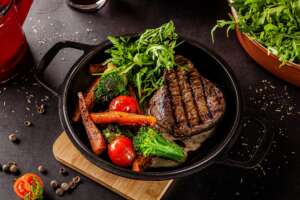
Red meat often gets a bad reputation, but when you choose lean cuts and control portions, grass-fed beef can be a powerful ally in your fat-loss meal plan. A 100g serving of lean 5% mince or a trimmed sirloin steak contains around 136 kcal, 20–25g of protein, almost no carbs, and just 5g of fat. Unlike fattier cuts, lean beef gives you maximum protein with relatively modest calories – which is exactly what you want when your goal is to drop fat but preserve or build muscle.
Why it’s beneficial
Beef provides a complete amino acid profile almost identical to your own muscle tissue, making it one of the most effective proteins for muscle retention and repair [11]. This matters if you’re in a calorie deficit for fat loss, when the risk of losing lean tissue is high. It’s also one of the richest natural sources of heme iron, the form of iron your body absorbs most efficiently. Iron deficiency is common and can cause fatigue, which makes training harder. Its a good source of Vitamin B12, needed for red blood cell production, neurological function, and fat metabolism.[12].
Grass-fed beef contains higher levels of omega-3 fatty acids and conjugated linoleic acid (CLA) than grain-fed beef. CLA has been linked with reductions in body fat and improvements in body composition in some studies [13][14]. Beef also brings significant amounts of zinc, which supports immune health and testosterone production (important for both men and women) – both critical for maintaining strength and resilience while in a deficit [15]. Finally, beef naturally provides performance-enhancing compounds like creatine, taurine, and carnosine. These nutrients improve strength, recovery, and workout capacity [16][17][18].
How to consume it
Aim to include lean beef a few times per week as a protein alternative to chicken or fish. Stick to lean mince (5% fat), sirloin, fillet, or extra-lean stewing beef. A palm-sized portion (100–150g cooked) will give you a high amount of protein without quickly exceeding your calorie targets. Beef works well in quick stir-fries with plenty of vegetables, in lean chilli or bolognese, or simply grilled as a steak. Keep added fats under control by trimming visible fat, draining mince, and using minimal oil or 1kcal spray when cooking.
4. Eggs
Eggs have long been considered one of nature’s most nutritionally complete foods, and for good reason. A single large egg contains around 70–80 kcal, with 6–7g of protein, 5g of fat, and virtually no carbohydrate. Beyond their macronutrient profile, eggs are rich in vitamins, minerals, and bioactive compounds that make them an essential part of a transformation diet. They’re budget-friendly, versatile, and can be cooked in endless ways, which means they work in real-world meal plans where variety and adherence matter most.
Why they’re beneficial
Eggs are one of the most nutrient-dense foods you can buy. They provide a complete protein with the highest-quality mix of essential amino acids, which is why egg protein is often used as the benchmark against which all other proteins are measured [19]. This makes them ideal for preserving lean muscle and supporting recovery during fat loss. Unlike purely lean proteins, eggs also deliver healthy fats, particularly if you choose omega-3 enriched or free-range eggs. These essential fats support brain function, reduce inflammation, and play an important role in hormone production [20].
For years, eggs were unfairly demonised for their cholesterol content. But research shows that for most people, dietary cholesterol has little impact on total or LDL (‘bad’) cholesterol levels. In fact, eggs can help raise HDL — the ‘good’ cholesterol associated with a lower risk of heart disease [21].
On top of that, eggs are loaded with micronutrients: vitamin B12 for energy and red blood cell production, vitamin D for bone health, vitamin A for immunity and skin, choline for metabolism and liver function, and selenium for antioxidant support. Few single foods pack so much nutritional value into such a small calorie cost.
From a fat-loss perspective, eggs punch above their weight because they are extremely satiating. A breakfast built around eggs has been shown to reduce hunger and calorie intake later in the day compared with carb-heavy options like cereal or toast [22].
How to consume them
Eggs are one of the most versatile foods in a fat-loss diet. Scramble them with vegetables, poach them on a bed of spinach, or boil a few to have on hand for quick snacks. A veggie-filled omelette with 2–3 eggs makes an ideal breakfast – high in protein and fat, low in carbs, and perfect for stable energy. If you want to keep calories slightly lower, combine one whole egg with two or three egg whites; you’ll still get the nutrients of the yolk with extra protein and less fat. Just keep an eye on cooking methods: frying eggs in large amounts of butter or oil can quickly rack up the calorie count. For balance, use minimal oil or a 1kcal spray, and measure any added fats.

Plant-Based and Vegetarian Proteins
Plant-based proteins can play a valuable role in a fat-loss diet – even if you’re not vegetarian. They can be a great way to boost the protein content of a meal without having to add more meat, which keeps costs down. Foods like quinoa and buckwheat provide a mix of protein, complex carbohydrates, and fibre, helping you feel fuller for longer and sustain energy throughout the day [3]. They also supply key micronutrients and antioxidants that support recovery, gut health, and hormone balance. When paired with other protein sources, these foods can help you hit your targets and add more variety to your transformation diet.
5. Quinoa
Quinoa has earned its “superfood” status for good reason. Technically a seed but often grouped with grains, it’s one of the few plant foods that supply both complete protein and slow-digesting carbohydrates in one. One cup (170g uncooked) provides roughly 24g of protein, 109g of carbohydrates, and 10g of fat – a nutrient-dense alternative to refined options like white rice or pasta.
Why it’s beneficial
Quinoa is one of the rare plant-based sources that provides all nine essential amino acids, making it a particularly valuable protein for vegetarians and vegans [23]. It’s especially rich in lysine, an amino acid essential for tissue repair, collagen formation, and muscle recovery [24]. Alongside its protein content, quinoa provides complex carbohydrates and around 7g of fibre per 100g cooked – a combination that promotes steady energy, healthy digestion, and lasting fullness [25].
Quinoa is also naturally gluten-free and rich in antioxidants such as flavonoids, which have anti-inflammatory effects and support recovery from intense training [26]. Its high fibre content makes it especially beneficial for fat loss, as research shows that diets higher in soluble fibre are associated with significantly lower visceral fat accumulation over time. One five-year study found that every 10g increase in soluble fibre intake was linked to a 3.7% reduction in abdominal fat [27]. That makes quinoa a great food to actively support a healthier body composition.
How to consume it
Quinoa cooks in about 15 minutes and has a light, nutty taste that pairs well with both savoury and sweet meals. You can use it as your carb portion in main meals – for example, as a base for chicken or tofu bowls, or tossed into a salad with beans and greens. Because it contains both carbs and protein, it’s best paired with an additional protein source to reach your macro targets. Many U.P. clients enjoy quinoa as a substitute for white rice around training, when its slow-release carbs help refuel muscles and support recovery. We often advise clients to eat their carbs at night to help with dietary compliance and to promote better sleep – and quinoa can be the perfect option in the evenings that provides both protein and carbohydrate. Studies show that eating the majority of your carbs later in the day may enhance satiety and improve sleep quality [28].
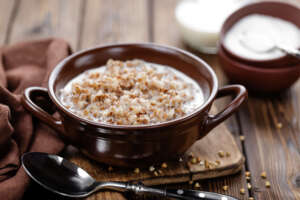
6. Buckwheat
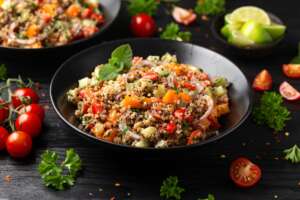
Despite the name, buckwheat isn’t related to wheat at all. It’s a seed from a flowering plant – naturally gluten-free – and one of the most nutrient-dense “pseudo-grains” you can include in a fat-loss diet.
A 100g serving of raw buckwheat groats provides around 343kcal, 13g of protein, 72g of carbohydrates, and 3g of fat.
What makes it stand out is its combination of slow-digesting carbs, high-quality plant protein, and fibre, which together support appetite control, energy balance, and recovery.
Why it’s beneficial
Buckwheat is a great alternative to refined grains because it digests slowly and helps maintain stable blood sugar levels – key for curbing hunger and sustaining energy during a calorie deficit [29]. While not a “complete” protein like quinoa, it still provides a broad range of essential amino acids, including lysine and arginine, which support tissue repair and nitric oxide production for healthy blood flow [30].
It’s also rich in magnesium, manganese, and copper – minerals that play vital roles in muscle function and energy metabolism [31]. One of buckwheat’s standout compounds is rutin, a flavonoid with antioxidant and anti-inflammatory properties that can improve circulation and capillary strength [32]. These effects may help offset oxidative stress from training and support cardiovascular health – crucial when you’re pushing hard in the gym.
From a fat-loss perspective, buckwheat’s combination of fibre and low glycaemic index carbs helps increase satiety and reduce calorie intake [33]. Diets higher in whole grains and fibre have been shown to improve appetite regulation and metabolic markers compared with refined carb diets [34]. For anyone who struggles with hunger or energy dips, it’s an excellent food to build meals around.
How to consume it
Buckwheat groats can be cooked like rice for savoury dishes or turned into a warm porridge with fruit for breakfast. Buckwheat flour also works well in pancakes or flatbreads.
Buckwheat noodles are popular in Asian cuisine in dishes like miso ramen soup, or can be tossed with vegetables and lean protein like prawns, tofu, or chicken for a high-protein meal. It can also be used to bulk out salads with some extra protein and carbohydrates, or as a healthy side dish to accompany your Sunday roast.
If you’re eating buckwheat while on a diet where you track macronutrients, be mindful of the carbohydrate content of it when recording your daily calories and macros. A portion of 50–60g raw (about one cup cooked) fits comfortably within most calorie targets.
Non-starchy vegetables
Non-starchy vegetables are the foundation of an effective fat-loss diet. They’re low in calories and carbohydrates but rich in fibre, micronutrients, and water – helping you stay fuller for longer while supporting recovery, digestion, and metabolic health. When you’re in a calorie deficit, these foods allow you to eat large, satisfying portions without overshooting your daily target.
Leafy greens and cruciferous vegetables like spinach, broccoli, kale, asparagus, and courgette also provide key minerals such as magnesium and potassium that support muscle function, hydration, and nervous-system balance during training [35]. Their high fibre and water content promote satiety and help control blood sugar levels, reducing the risk of cravings and energy crashes [36].
From a body-composition standpoint, these foods are invaluable: they keep you physically full, nourish the gut microbiome, and help maintain the micronutrient density that prevents fatigue and plateaus during fat loss [37].
7. Spinach
Spinach has long been synonymous with strength and vitality (think ‘Popeye the Sailor’) – but unlike in the cartoons, its benefits are very real. It’s one of the most nutrient-dense, low-calorie foods you can add to your diet.
A 100g serving provides only 23kcal, with 2.9g protein, 0.4g fat, and 3.6g carbs – meaning you can fill your plate with volume while barely touching your calorie target.
Why it’s beneficial
Spinach is rich in iron, a mineral essential for red-blood-cell function and oxygen transport [38]. When you’re training hard in a calorie deficit, that oxygen delivery directly impacts how much energy your muscles can produce and how many quality reps you can perform. It’s also one of the best sources of magnesium and potassium – electrolytes that regulate nerve function, muscle contraction, and hydration. Adequate magnesium has been shown to reduce fatigue and improve sleep quality, both of which are crucial for maintaining compliance and recovery during fat loss [39].
From a metabolic-health perspective, spinach provides vitamin K (important for bone strength and blood clotting), vitamin A (a powerful antioxidant supporting vision and immunity), and vitamin C, which enhances iron absorption and collagen synthesis [40]. It also contains folate, manganese, and plant compounds like thylakoids, which research suggests may suppress appetite by increasing satiety hormones and delaying fat digestion [41]. These combined effects make spinach one of the most efficient “volume foods” you can eat – it fills you up, supports recovery, and overall health without adding many calories.
How to consume it
Spinach is endlessly versatile. Use it raw in salads, wilt it into omelettes or stir-fries, or lightly sauté it with garlic and a teaspoon of olive oil for a nutrient-rich side. Because it cooks down dramatically, aim for two generous handfuls per meal. It also blends easily into smoothies – an effortless way to boost micronutrient intake if you struggle with vegetables. Pair spinach with a source of vitamin C (such as lemon or peppers) to maximise iron absorption, and make it a daily staple for steady energy and better training performance as part of a fat loss diet. 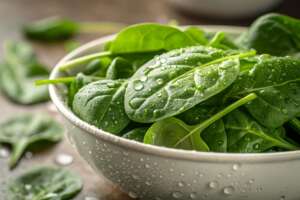
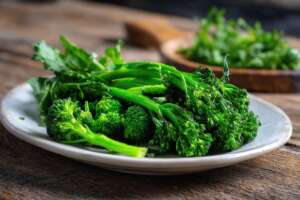
8. Broccoli
Broccoli might be a meal-prep cliché, but it’s earned its reputation as one of the most nutrient-dense vegetables you can eat. A 100g serving has only 34kcal, with 2.8g of protein, 7g of carbohydrates, and 0.4g of fat – an impressive nutritional profile for very few calories.
Why it’s beneficial
Broccoli belongs to the cruciferous vegetable family (along with kale, cabbage, and Brussels sprouts), known for their powerful anti-inflammatory and detoxifying properties. It’s an excellent source of vitamin C, which supports immune function, collagen formation, and recovery from training stress [42]. It’s also rich in vitamin K and calcium, both vital for bone health and prevention of osteoporosis [43].
What makes broccoli truly unique is its content of sulforaphane, a bioactive compound formed when the vegetable is chopped or chewed. Sulforaphane has been shown to reduce inflammation, improve insulin sensitivity, and enhance cellular antioxidant defences [44]. This means that beyond general health, broccoli can actively help improve metabolic function. Its high fibre and water content further promote fullness and steady digestion, helping regulate appetite and prevent overeating [45].
Like other greens, broccoli also provides small but meaningful amounts of magnesium and zinc. Magnesium is essential for calming the central nervous system (CNS), while zinc contributes to optimal testosterone levels and immune function [46]. It is a great non-starchy source of carbohydrate that aids digestion, maintains low blood sugar levels and can help curbs overeating while on a diet plan.
How to consume it
Broccoli works with almost any meal. Steam or air-fry it for around 5 minutes to keep its bright colour, crunch, and nutrient content. Roasting brings out a deeper flavour – toss florets with a little olive oil and seasoning, then cook at a high heat until edges crisp. If you struggle with volume or bland vegetables, try mixing broccoli rice (finely chopped florets) into stir-fries, omelettes, or grain bowls for added fibre and fullness. Avoid overboiling – soft, waterlogged broccoli loses nutrients and appeal. Steamed to tender-crisp and seasoned well, it’s one of the simplest and most effective tools in any transformation diet.
Carbohydrates
Carbohydrates often get an unfair reputation in fat-loss diets, but when you choose the right ones and control your portions, they can become one of your most effective tools for performance, recovery, and long-term adherence. The key is quality and timing – choosing slow-digesting, fibre-rich carbs that provide sustained energy and steady blood sugar rather than the rapid spikes and crashes associated with refined grains and sugars.
Smart carbs also play a major role in recovery. When paired with adequate protein, they help refill glycogen stores after training and regulate leptin and thyroid hormones, which keep your metabolism functioning efficiently, even in a calorie deficit [47]. Whole-food carbohydrate sources like sweet potatoes, oats, quinoa, and berries are also packed with vitamins, minerals, and antioxidants that support joint health, immunity, and mood – critical factors when you’re training hard and eating less [48].
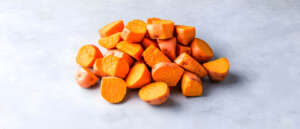
9. Sweet potato
Sweet potatoes are a staple carbohydrate in many transformation diets – and for good reason. They’re rich in complex carbohydrates that digest slowly, keeping blood sugar stable and energy consistent throughout the day (which helps you avoid crashes or cravings). A 100g serving of cooked sweet potato contains around 86kcal, 20g of carbs, 1.6g of protein, and almost no fat.
Why it’s beneficial
Compared with white potatoes, sweet potatoes have roughly double the fibre content (about 4g per 100g) and are one of the richest natural sources of beta-carotene, a precursor to vitamin A. This nutrient plays a critical role in maintaining vision, skin, and immune health – and acts as a potent antioxidant, neutralising the oxidative stress that can increase during calorie restriction and intense training [49]. Beta-carotene and other carotenoids also help reduce systemic inflammation, supporting recovery and joint health.
Sweet potatoes are also a good source of vitamin C, which supports collagen synthesis and immune resilience, and potassium, which helps maintain hydration and muscle function [50]. Together, these nutrients make sweet potatoes a powerhouse for performance and recovery – especially when dieting.
One of their most valuable features for fat loss is their low glycaemic index (GI) when boiled or steamed – around 46 compared to 85–90 for white potatoes. Low-GI carbohydrates digest more slowly, leading to steadier insulin release and prolonged fullness [51]. This helps manage appetite, reduce cravings, and maintain energy during long dieting phases.
How to consume it
Opt for darker orange sweet potatoes, which contain higher beta-carotene levels. To maximise nutrient absorption, pair them with a small amount of healthy fat – for example, drizzle with olive oil or enjoy alongside a fillet of salmon or some avocado. Steaming or boiling retains more nutrients and keeps the GI lower, while baking or roasting makes them sweeter and higher in calories. Sweet potatoes work well mashed with cinnamon and nutmeg, sliced into oven “fries,” or cubed in curries and stir-fries. Around 150–200 g cooked makes a balanced carb portion for most transformation meal plans.
10. Oats
Oats are one of the most versatile and proven carbohydrate sources in any fat-loss diet. A 100g serving provides roughly 389kcal, 66g of carbohydrates, 17g of protein, and 7g of fat – a powerhouse of slow-digesting energy and essential nutrients. They’re especially useful during transformations because they promote fullness, regulate blood sugar, and fuel consistent training performance.
Why they’re beneficial:
Oats stand out among grains for their superior protein content and quality [52]. While their protein isn’t “complete” – meaning it lacks one or two essential amino acids – it pairs perfectly with dairy, yoghurt, or whey protein to create a complete amino-acid profile. For vegetarians or plant-based eaters, this makes oats an excellent foundational food.
Their real magic lies in their beta-glucan fibre – a soluble fibre that forms a gel-like layer in the gut. This slows digestion, helping you feel fuller for longer, stabilises blood sugar levels, and lowers LDL (“bad”) cholesterol [53]. Several studies show that beta-glucan improves insulin sensitivity, making oats particularly valuable for overweight or insulin-resistant individuals reintroducing carbs after a low-carb phase [54]. This means better appetite control, fewer energy crashes, and more consistent fat loss results.
Beyond fibre, oats are a rich source of manganese, which supports bone health and carbohydrate metabolism, and contain iron, magnesium, and phosphorus – minerals that help the body convert food into energy [55]. Their slow-burning carbohydrates provide steady glucose delivery to your muscles and brain, which supports focus and endurance during training. In practical terms, this means fewer cravings, better gym sessions, and easier dietary adherence.
How to consume
All oats – whether rolled, steel-cut, or instant – have similar nutrition, so choose based on your preference and cooking time. For optimal digestion and nutrient absorption, soak them overnight or cook them thoroughly to reduce phytic acid, a compound that can inhibit mineral uptake. Combine oats with milk, Greek yoghurt, or protein powder to complete the amino-acid profile. For example, a bowl of oats with whey, blueberries, and cinnamon makes a perfect post-workout meal – it’s high in protein, moderate in carbs, and packed with antioxidants. Oats can also be used in smoothies, protein bars, or as a topping for Greek yoghurt –simple, satisfying, and aligned with long-term fat loss success.
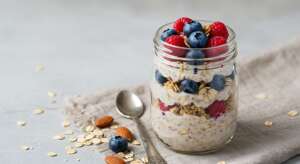
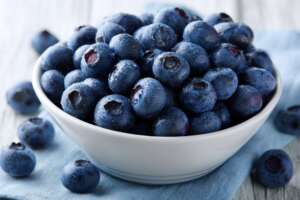
11. Blueberries
Blueberries might be small, but they pack one of the highest nutrient densities of any fruit. A 100g serving contains just 57kcal and around 14g of carbohydrates, making them a perfect choice for anyone looking to lose fat while still enjoying natural sweetness and flavour.
Why they’re beneficial:
Blueberries are loaded with polyphenols and anthocyanins – plant compounds that give them their deep blue colour and powerful antioxidant capacity [56]. Antioxidants protect cells from oxidative stress caused by intense training, calorie restriction, and environmental toxins, helping your body recover more efficiently. Research shows that regular blueberry consumption can reduce muscle damage and inflammation following strenuous exercise [57], making them particularly valuable during hard training blocks or transformation phases.
They’re also linked with improved insulin sensitivity and glucose metabolism – key for fat loss and energy regulation. Studies suggest that the anthocyanins in blueberries can help improve how the body handles carbohydrates, lowering post-meal blood sugar spikes and promoting better metabolic flexibility [58]. For clients working on body recomposition, that means better energy balance and fewer sugar crashes.
Blueberries also deliver a wide range of micronutrients, including vitamin C (about 24% of the RDI per 100g), which supports collagen production and immune function, and vitamin K (36% RDI), which helps with blood clotting and bone maintenance [59]. They’re also a notable source of manganese, essential for metabolism and connective tissue repair. Basically, blueberries offer an enormous nutritional payoff for minimal calories – a fat-loss-supporting food that also enhances long-term health, recovery, and cognition.
How to use them:
Blueberries are a great grab-and-go food that can be used in so many different ways. Add them to protein shakes or Greek yoghurt for a quick, nutrient-dense snack, or stir them through oats and cinnamon for a satisfying breakfast. They also pair perfectly with salads or as a topping for pancakes and cottage cheese. At U.P., many clients use blueberries as an evening snack when dieting – they satisfy sweet cravings without derailing calorie targets. Stick to around 50–100g per serving (a small handful) for a perfectly portioned dose of antioxidants and natural energy.
Healthy fat sources
Fat often gets an unfair reputation – but it’s an essential part of any effective transformation diet.
The right fats support hormone health, brain function, and nutrient absorption, while keeping your meals satisfying and sustainable. The key is focusing on quality: unsaturated fats from whole food sources, with just enough saturated fats to support performance and recovery.
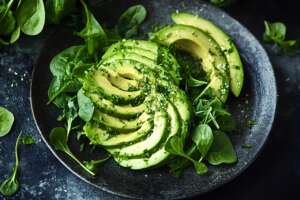
12. Avocado
Avocados have become a modern dietary staple for good reason. Though technically a fruit, they’re most prized for their creamy texture, versatility, and rich nutrient profile. A 100g serving provides roughly 160kcal, 15g of fat, 9g of carbohydrates, and 2g of protein – a compact source of healthy fats and fibre that fits perfectly into a balanced transformation meal plan.
Why it’s beneficial
What sets avocado apart is its fat composition. Around 60% of its fat is monounsaturated (mainly oleic acid), with smaller amounts of polyunsaturated and saturated fats [60]. Monounsaturated fats are strongly linked to improved heart health, better cholesterol profiles, and enhanced insulin sensitivity – all key factors when improving body composition. In practical terms, these fats help your body regulate blood sugar more effectively, keeping energy levels stable and reducing fat storage [61].
Avocados are also rich in fat-soluble vitamins such as vitamins E and K. Vitamin E acts as an antioxidant that helps protect cells from oxidative stress and supports skin health, while vitamin K is essential for blood clotting and bone maintenance. The healthy fats in avocado also help your body absorb other fat-soluble vitamins (A, D, E, and K) from foods eaten alongside it – making it an excellent “nutrient booster” in mixed meals [62].
Another fat-loss benefit of avocados is their high fibre content – around 7g per 100g – which aids digestion, promotes fullness, and supports a healthy gut microbiome. Research shows that diets rich in monounsaturated fats and fibre, like those including avocados, are associated with better appetite regulation and easier adherence to calorie-controlled diets [63]. This makes avocado a satisfying addition that can help prevent snacking and energy dips throughout the day.
How to consume
Avocado’s mild, creamy flavour makes it a handy addition to both savoury and sweet dishes. Slice it into salads or serve it mashed on high-protein toast with poached eggs for a balanced breakfast. Combine it with lime, chilli, and tomatoes for a quick guacamole, or blend it into a chocolate protein mousse for a healthier dessert option. Because avocados are calorie-dense, portion control is key – around half a medium avocado (75–100g) provides plenty of healthy fats without overshooting your calorie target. Pairing avocado with lean proteins like chicken, salmon, or eggs creates a balanced, satiating meal that supports both health and fat loss.
13. Extra virgin olive oil
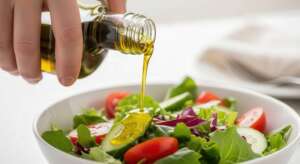
Extra virgin olive oil (EVOO) is a cornerstone of the Mediterranean diet and one of the most consistently proven “health foods” in modern nutrition research. A single tablespoon (15ml) provides roughly 119kcal and 14g of fat – no carbs or protein – so it’s calorie-dense but extremely nutrient-rich when used wisely. What makes EVOO special is that it’s the least processed form of olive oil, cold-pressed to preserve its natural antioxidants and bioactive compounds.
Why it’s beneficial:
EVOO is composed predominantly of monounsaturated fatty acids, mainly oleic acid (about 73g per 100g) [64]. These fats are strongly linked to improved heart health, lower LDL (“bad”) cholesterol, and higher HDL (“good”) cholesterol [65]. This healthy lipid profile helps reduce inflammation and supports better insulin sensitivity – two key factors that make fat loss and metabolic health easier to sustain.
Beyond its fat composition, extra virgin olive oil is loaded with antioxidant polyphenols such as hydroxytyrosol, tyrosol, and oleuropein. These compounds protect cells from oxidative damage, support mitochondrial function, and may even help reduce ageing-related decline in tissues [66]. EVOO is also the richest dietary source of squalene, a unique antioxidant compound shown to protect skin and DNA from free-radical damage while potentially supporting anti-cancer defences [67]. Together, these compounds make olive oil not just a fat source, but a functional food that supports long-term health and recovery.
For individuals dieting or training intensely, EVOO can also help improve nutrient absorption. Its fats aid the uptake of vitamins A, D, E, and K – which are critical for immune function, hormone balance, and bone health. Research on Mediterranean diet interventions shows that regular olive oil consumption correlates with lower waist circumference and improved body-composition markers when calories are controlled [68].
How to use it
Extra virgin olive oil is best used as a dressing or finishing oil rather than for deep frying. Its smoke point sits around 190–210°C, so it’s ideal for drizzling over salads, vegetables, or cooked meats – but not for prolonged high-heat cooking. For sautéing or stir-frying, choose avocado oil or ghee instead. Use about 1 tablespoon per meal to add flavour and heart-healthy fats without clocking up the calorie count or overshooting your targets. For a simple U.P.-style meal, drizzle EVOO over grilled fish or steamed greens – small adjustments that add flavour, boost nutrient absorption, and enhance dietary compliance.
14. Grass-fed butter ghee
Ghee – clarified butter made by simmering butter until its water and milk solids are removed – has been used for thousands of years in Indian cuisine and Ayurvedic medicine. The process leaves behind pure butterfat with a rich, nutty flavour and a high smoke point, making it ideal for cooking at higher temperatures. One tablespoon (15g) of ghee provides around 112kcal and 14g of fat, with virtually no protein, carbohydrates, or lactose.
Why it’s beneficial
Ghee’s nutrition profile sets it apart from standard butter. Because the milk solids and sugars are removed, it’s free of lactose and casein – making it a better option for those sensitive to dairy [69]. Grass-fed ghee also contains higher levels of conjugated linoleic acid (CLA) and omega-3 fatty acids, both of which have been associated with improved body composition, lower inflammation, and enhanced metabolic health [70]. CLA, in particular, may support fat loss by increasing metabolic rate and promoting lean muscle preservation during a calorie deficit [71].
Ghee is also rich in short-chain- and medium-chain fatty acids (like butyrate and capric acid) that the body can use rapidly for energy instead of storing as fat. Butyrate supports gut health by nourishing the cells of the intestinal lining and reducing inflammation [72]. Additionally, ghee provides fat-soluble vitamins A, D, E, and K, which are essential for hormone regulation, skin health, and calcium absorption. Without sufficient dietary fat, these vitamins can’t be absorbed effectively – which is one reason very low-fat diets often backfire.
Finally, ghee’s high smoke point (around 250°C) means it’s one of the most stable fats to cook with. Unlike many oils, it doesn’t oxidise or release harmful free radicals when heated. This makes it ideal for stir-frying vegetables, searing meats, or adding a small knob to post-training meals for flavour and satiety.
How to use it
Use ghee in moderation – about one teaspoon to one tablespoon per meal – as part of your daily fat allowance. It’s excellent for sautéing, roasting, or finishing vegetables. A teaspoon stirred into morning coffee or tea can provide a small energy boost thanks to its medium-chain fats. At U.P., we often recommend grass-fed ghee for clients seeking a clean, stable cooking fat that adds flavour without compromising health or digestion.

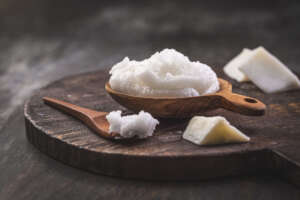
15. Coconut oil
Coconut oil has gained popularity in recent years for its unique fat profile and potential health benefits. One tablespoon (15g) provides around 117 kcal, 14g of fat, and virtually no protein or carbohydrate. What makes it distinct is that most of its fats are medium-chain triglycerides (MCTs) – a form of fat that’s absorbed rapidly and used for energy rather than stored.
Why it’s beneficial
Medium-chain triglycerides are metabolised differently from longer-chain fats. They travel directly to the liver, where they’re converted into ketones – an alternative energy source that may help support mental clarity, energy, and appetite control during calorie restriction [73]. Research shows that increasing dietary MCT intake, while maintaining total calories, can modestly enhance fat oxidation (fat burning) and support lean-mass retention during fat loss [74][75].
Coconut oil has also been shown to reduce waist circumference in some studies, particularly among overweight men [76]. However, these effects are relatively small, and overall calorie control remains the dominant factor in weight change. In practical terms, replacing other fats with small amounts of coconut oil may provide a slight metabolic boost, but adding it on top of existing calories will not accelerate fat loss.
Another benefit of coconut oil is its potential to improve insulin sensitivity and HDL cholesterol levels when used in moderation [77]. However, since it’s still over 80% saturated fat, it should not replace unsaturated fat sources such as olive oil, avocado, or nuts –which have stronger evidence for cardiovascular protection. The best approach is balance – include small amounts of coconut oil occasionally for flavour or cooking versatility, not as a dietary staple.
How to use it
Coconut oil’s high saturated fat content makes it stable at medium-high cooking temperatures (smoke point is around 175°C). Use ½–1 tablespoon per meal for stir-frying, baking, or blending into smoothies. It can also be used in small amounts as a butter substitute or to add richness to protein desserts. For most people, 5–10 g of MCTs daily – equivalent to roughly ½–1 tablespoon of coconut oil – is sufficient to gain its benefits without eating too much into your daily calorie allowances.
Final thoughts
There’s no single ‘best diet’ that works for everyone. Nutrition is personal – shaped by your body, your goals, and your lifestyle. But after working with thousands of clients around the world, one truth is clear: lasting results come from mastering the basics and doing them with precision.
You don’t need to love every food in this list, but you do need balance – a mix of lean proteins, healthy fats, green vegetables, and slow-digesting, unprocessed carbohydrates. Choose real foods that keep you full, fuel your training, and support recovery, and you can’t go far wrong.
As U.P. founder Nick Mitchell says, “Eat from the land.”
That single rule captures everything that works – whole foods, natural ingredients, and consistency.
Stay structured with your diet, track your calories and macros, and train with intent. When you fuel your body intelligently and stay accountable, results aren’t a question of if – they’re a question of when.
Transformation isn’t about perfection. It’s about small, consistent actions, repeated daily. Nail those foundations, and the rest will fall into place.
References
- Leidy, H. J., et al. (2015). The role of protein in weight loss and maintenance. American Journal of Clinical Nutrition, 101(6), 1320S–1329S. PMID: 25926513. (pubmed.ncbi.nlm.nih.gov/25926513)
- Hall, K. D., et al. (2012). Energy balance and its components: implications for body weight regulation. American Journal of Clinical Nutrition, 95(4), 989–994. PMID: 22434603. (pubmed.ncbi.nlm.nih.gov/22434603)
- Roman, M., et al. (2014). Selenium biochemistry and its role for human health. Metallomics, 6(1), 25–54. PMID: 24242164. (pubmed.ncbi.nlm.nih.gov/24242164)
- Kennedy, D. O. (2016). B vitamins and the brain: mechanisms, dose and efficacy – a review. Nutrients, 8(2), 68. PMID: 26828517. (pubmed.ncbi.nlm.nih.gov/26828517)
- Calder, P. C. (2015). Marine omega-3 fatty acids and inflammatory processes: Effects, mechanisms and clinical relevance. Biochimica et Biophysica Acta, 1851(4), 469–484. PMID: 25149823. (pubmed.ncbi.nlm.nih.gov/25149823)
- Smith, G. I., et al. (2015). Fish oil–derived n-3 PUFA therapy increases muscle mass and function in healthy older adults. American Journal of Clinical Nutrition, 102(1), 115–122. PMID: 25994567. (pubmed.ncbi.nlm.nih.gov/25994567)
- He, F. J., & MacGregor, G. A. (2008). Beneficial effects of potassium on human health. Physiologia Plantarum, 133(4), 725–735. PMID: 18312326. (pubmed.ncbi.nlm.nih.gov/18312326)
- Fassett, R. G., & Coombes, J. S. (2011). Astaxanthin in cardiovascular health and disease. Molecules, 16(1), 449–465. PMID: 21231423. (pubmed.ncbi.nlm.nih.gov/21231423)
- Earnest, C. P., et al. (2011). Effect of astaxanthin supplementation on muscle endurance, lipid metabolism, and oxidative stress in training. International Journal of Sports Medicine, 32(12), 882–888. PMID: 22016056. (pubmed.ncbi.nlm.nih.gov/22016056)
- Liu, J., et al. (2018). Astaxanthin prevents diet-induced obesity, insulin resistance and hepatic lipid accumulation in mice. Nutrients, 10(9), 1293. PMID: 30201806. (pubmed.ncbi.nlm.nih.gov
- Wolfe, R. R. (2017). Branched-chain amino acids and muscle protein synthesis in humans: myth or reality? Journal of the International Society of Sports Nutrition, 14(1), 30. PMID: 28588314. (pubmed.ncbi.nlm.nih.gov)
- Tolkien, Z., Stecher, L., Mander, A. P., Pereira, D. I., & Powell, J. J. (2015). Ferrous sulfate supplementation causes significant gastrointestinal side-effects in adults: a systematic review and meta-analysis. PLoS One, 10(2), e0117383. PMID: 25658188. (pubmed.ncbi.nlm.nih.gov)
- Bhattacharya, A., Banu, J., Rahman, M., Causey, J., & Fernandes, G. (2006). Biological effects of conjugated linoleic acids in health and disease. Journal of Nutritional Biochemistry, 17(12), 789–810. PMID: 16600667. (pubmed.ncbi.nlm.nih.gov)
- Dilzer, A., & Park, Y. (2012). Implication of conjugated linoleic acid (CLA) in human health. Critical Reviews in Food Science and Nutrition, 52(6), 488–513. PMID: 22332505. (pubmed.ncbi.nlm.nih.gov)
- Prasad, A. S. (2014). Zinc is an antioxidant and anti-inflammatory agent: its role in human health. Frontiers in Nutrition, 1, 14. PMID: 25988117. (pubmed.ncbi.nlm.nih.gov)
- Kreider, R. B., et al. (2017). International Society of Sports Nutrition position stand: safety and efficacy of creatine supplementation in exercise, sport, and medicine. Journal of the International Society of Sports Nutrition, 14(1), 18. PMID: 28615996. (pubmed.ncbi.nlm.nih.gov)
- Schaffer, S., & Kim, H. W. (2018). Effects and mechanisms of taurine as a therapeutic agent. Biomolecules & Therapeutics, 26(3), 225–241. PMID: 29687004. (pubmed.ncbi.nlm.nih.gov)
- Everaert, I., Mooyaart, A., Baguet, A., Zutinic, A., Baelde, H., & Taes, Y. (2013). Vegetarianism, female gender and low muscle creatine and carnosine levels. Journal of the Science of Food and Agriculture, 93(12), 2546–2551. PMID: 23553872. (pubmed.ncbi.nlm.nih.gov)
- Tome, D. (2012). Criteria and markers for protein quality assessment – a review. British Journal of Nutrition, 108(S2), S222–S229. PMID: 23107527. (pubmed.ncbi.nlm.nih.gov/23107527)
- Blesso, C. N. (2015). Egg phospholipids and cardiovascular health. Nutrients, 7(4), 2731–2747. PMID: 25871489. (pubmed.ncbi.nlm.nih.gov/25871489)
- Fuller, N. R., et al. (2015). Egg consumption and human cardio-metabolic health in people with and without diabetes. Nutrients, 7(10), 7399–7420. PMID: 26404374. (pubmed.ncbi.nlm.nih.gov/26404374)
- Vander Wal, J. S., et al. (2005). Short-term effect of eggs on satiety in overweight and obese subjects. Journal of the American College of Nutrition, 24(6), 510–515. PMID: 16373948. (pubmed.ncbi.nlm.nih.gov/16373948)
- Vega-Gálvez, A., et al. (2010). Nutrition facts and functional potential of quinoa (Chenopodium quinoa Willd.), an ancient Andean grain: a review. Journal of the Science of Food and Agriculture, 90(15), 2541–2547. PMID: 20730709
- Abugoch James, L. E. (2009). Quinoa (Chenopodium quinoa Willd.): composition, chemistry, nutritional, and functional properties. Advances in Food and Nutrition Research, 58, 1–31. PMID: 19878856
- Cho, S. S., & Qi, L. (2013). Dietary fiber and obesity. Nutrients, 5(4), 1417–1435. PMID: 23597426
- Tang, Y., et al. (2015). Antioxidant and anti-inflammatory activities of quinoa protein hydrolysates and their fractions. Food Chemistry, 163, 94–101. PMID: 25624206
- Hairston, K. G., et al. (2012). Dietary soluble fiber and abdominal adiposity: results from the Insulin Resistance Atherosclerosis Study. Obesity, 20(2), 409–415. PMID: 21681227
- Madar, Z., & Shomer, I. (1990). Polysaccharide composition of quinoa and its effect on starch digestibility and satiety in humans. Plant Foods for Human Nutrition, 40(1), 71–82. PMID: 2347761
- Li, D., et al. (2013). Buckwheat: the high-quality plant protein source. Food Reviews International, 29(1), 15–25. PMID: 24611090
- Bonafaccia, G., Marocchini, M., & Kreft, I. (2003). Composition and technological properties of the flour and bran from common and tartary buckwheat. Food Chemistry, 80(1), 9–15. PMID: 26488936
- Steadman, K. J., et al. (2001). Buckwheat seed composition and use as a human food. Cereal Chemistry, 78(5), 478–482. PMID: 12379779
- Inglett, G. E., et al. (2011). Rutin and buckwheat: bioactive components for health. Journal of Agricultural and Food Chemistry, 59(10), 5631–5636. PMID: 21510678
- Anderson, J. W., Baird, P., Davis, R. H., et al. (2009). Health benefits of dietary fiber. Nutrition Reviews, 67(4), 188–205. PMID: 19335713
- Karl, J. P., et al. (2017). Substituting whole grains for refined grains in a 6-week randomized trial has modest effects on gut microbiota and immune and inflammatory markers. American Journal of Clinical Nutrition, 105(3), 635–650. PMID: 28179221
- Boeing, H., et al. (2012). Critical review: vegetables and fruit in the prevention of chronic diseases. European Journal of Nutrition, 51(6), 637–663. PMID: 22527384
- Slavin, J. L. & Lloyd, B. (2012). Health benefits of fruits and vegetables. Advances in Nutrition, 3(4), 506–516. PMID: 22797986
- Schwingshackl, L., et al. (2020). Food groups and risk of overweight, obesity, and weight gain: a systematic review and dose–response meta-analysis. Advances in Nutrition, 11(5), 1073–1095. PMID: 32337569
- Abbaspour, N., Hurrell, R., & Kelishadi, R. (2014). Review on iron and its importance for human health. Journal of Research in Medical Sciences, 19(2), 164–174. PMID: 24778671
- Cuciureanu, M. D., & Vink, R. (2011). Magnesium and stress. Neuropharmacology, 62(1), 304–312. PMID: 21835188
- Fernández-Rojas, B., et al. (2018). Spinach consumption improves oxidative stress status and antioxidant response in humans. Clinical Nutrition, 37(6), 2195–2202. PMID: 29110819
- Montelius, C., et al. (2014). Green-plant thylakoids for appetite control: human and animal evidence. Appetite, 81, 242–251. PMID: 25113954
- Jacob, R. A., & Sotoudeh, G. (2002). Vitamin C function and status in chronic disease. Nutrition in Clinical Care, 5(2), 66–74. PMID: 12134712
- Palacios, C. (2006). The role of nutrients in bone health, from A to Z. Critical Reviews in Food Science and Nutrition, 46(8), 621–628. PMID: 17092827
- Myzak, M. C., & Dashwood, R. H. (2006). Chemoprotection by sulforaphane: Keep one eye beyond Keap1. Cancer Letters, 233(2), 208–218. PMID: 15885856
- Slavin, J. L. (2013). Fiber and prebiotics: mechanisms and health benefits. Nutrients, 5(4), 1417–1435. PMID: 23597426
- Chasapis, C. T., Loutsidou, A. C., Spiliopoulou, C. A., & Stefanidou, M. E. (2012). Zinc and human health: an update. Archives of Toxicology, 86(4), 521–534. PMID: 22193332
- Paoli, A., et al. (2015). The influence of meal frequency and timing on health in humans: the role of fasting. Nutrients, 7(3), 1848–1868. PMID: 25734427
- Johnston, C. S., et al. (2013). Strategies for healthy weight loss: from exercise to diets and supplements. Journal of the Academy of Nutrition and Dietetics, 113(10), 1456–1461. PMID: 23958418
- Tanumihardjo, S. A. (2013). Carotenoids and human health. Advances in Nutrition, 4(5), 621–628. PMID: 24038291
- Levine, M., et al. (2011). Vitamin C. Advances in Nutrition, 2(6), 636–637. PMID: 22332037
- Fernandes, G., et al. (2011). Glycemic index and glycemic load of commonly consumed foods in North America. Journal of the American Dietetic Association, 111(5), 753–759. PMID: 21515130
- Welch, R. W. (2011). Oats and the current state of knowledge on their role in human health. British Journal of Nutrition, 106(4), 613–622. PMID: 21736783
- Whitehead, A., et al. (2014). Cholesterol-lowering effects of oat β-glucan: a meta-analysis. American Journal of Clinical Nutrition, 100(6), 1413–1421. PMID: 25411276
- Thies, F., et al. (2014). Oat beta-glucan and postprandial blood glucose regulation in healthy subjects: a randomized controlled trial. European Journal of Clinical Nutrition, 68(8), 978–984. PMID: 24824083
- Marshall, A. J., et al. (2019). Nutrient composition and functional benefits of oats in human nutrition. Nutrients, 11(11), 2685. PMID: 31731636
- Giampieri, F., et al. (2012). The potential role of anthocyanins in human health: biomarkers of cardiovascular disease and inflammation. Nutrients, 4(5), 659–681. PMID: 22852068
- McLeay, Y., et al. (2012). Effect of New Zealand blueberry consumption on recovery from eccentric exercise-induced muscle damage. Journal of the International Society of Sports Nutrition, 9(1), 19. PMID: 22564864
- Stull, A. J., et al. (2010). Blueberries improve insulin sensitivity in obese, insulin-resistant men and women. Journal of Nutrition, 140(10), 1764–1768. PMID: 20739452
- Wu, X., et al. (2017). Blueberry and cardiovascular health: review of current evidence. Journal of Agricultural and Food Chemistry, 65(36), 8185–8197. PMID: 28834492
- Praagman, J., et al. (2016). The association between dietary saturated, monounsaturated, and polyunsaturated fatty acids and total and cause-specific mortality: the Netherlands Cohort Study. American Journal of Clinical Nutrition, 103(4), 1018–1026. PMID: 26984418
- Wang, L., et al. (2014). Impact of monounsaturated fatty acids on cardiometabolic risk factors: a meta-analysis. Annals of Internal Medicine, 160(6), 398–406. PMID: 24727847
- Fulgoni, V. L., et al. (2013). Avocado consumption is associated with better diet quality and nutrient intake, and lower metabolic syndrome risk in US adults. Nutrition Journal, 12, 1. PMID: 23282226
- Wien, M., et al. (2013). Satiety and energy intake after avocado consumption. Nutrition Journal, 12, 155. PMID: 24261538
- Schwingshackl, L., & Hoffmann, G. (2014). Monounsaturated fatty acids and risk of cardiovascular disease: a systematic review and meta-analysis. PLOS ONE, 9(3), e87967. PMID: 24586891
- Estruch, R., et al. (2018). Primary prevention of cardiovascular disease with a Mediterranean diet supplemented with extra-virgin olive oil. New England Journal of Medicine, 378(25), e34. PMID: 29897866
- Castañer, O., et al. (2011). Protective effects of extra virgin olive oil polyphenols on endothelial function in metabolic syndrome: the EUROLIVE study. American Journal of Clinical Nutrition, 93(2), 326–334. PMID: 21106912
- Warleta, F., et al. (2010). Hydroxytyrosol protects against oxidative DNA damage in human breast cells. Food and Chemical Toxicology, 48(6), 1461–1467. PMID: 20347934
- Guasch-Ferré, M., et al. (2019). Olive oil intake and risk of cardiovascular disease and mortality in the PREDIMED Study. BMC Medicine, 17(1), 213. PMID: 31801558
- Kanwal, R., et al. (2019). Nutritional and therapeutic perspectives of ghee: a review. Journal of Food Science and Technology, 56(12), 5147–5155. PMID: 31908490
- Kennedy, A., et al. (2010). Conjugated linoleic acid: effects on energy metabolism and body composition in humans. American Journal of Clinical Nutrition, 91(3), 502S–509S. PMID: 20071648
- Bhattacharya, A., et al. (2006). Biological effects of conjugated linoleic acids in health and disease. Journal of Nutritional Biochemistry, 17(12), 789–810. PMID: 16716573
- Canani, R. B., et al. (2011). Butyrate as an anti-inflammatory and protective agent in human intestinal diseases. Digestive and Liver Disease, 43(8), 515–520. PMID: 21482481
- St-Onge, M. P., & Bosarge, A. (2008). Weight-loss diet that includes consumption of medium-chain triacylglycerol oil leads to a greater rate of weight and fat mass loss than does olive oil. American Journal of Clinical Nutrition, 87(3), 621–626. PMID: 18326600
- Mumme, K., & Stonehouse, W. (2015). Effects of medium-chain triglycerides on weight loss and body composition: a meta-analysis of randomized controlled trials. Journal of the Academy of Nutrition and Dietetics, 115(2), 249–263. PMID: 25441966
- Bueno, N. B., et al. (2015). Very-low-carbohydrate ketogenic diet v. low-fat diet for long-term weight loss: a meta-analysis of randomised controlled trials. British Journal of Nutrition, 110(7), 1178–1187. PMID: 23855322
- Assunção, M. L., et al. (2009). Effects of dietary coconut oil on the biochemical and anthropometric profiles of women presenting abdominal obesity. Lipids, 44(7), 593–601. PMID: 19593447
- Eyres, L., et al. (2016). Coconut oil consumption and cardiovascular risk factors in humans. Nutrition Reviews, 74(4), 267–280. PMID: 26946252
UP TRANSFORM APP
Your diet, transformed
Get all the tools you need to stay accountable and build a meal plan that delivers results with UP Transform.


